


Through the Page: Making of a 30-Second Teaser
19.11.2026 · AI video
Three prompts, three ten-second clips and one edit: how an idea becomes an AI video – with the actual prompts, the timings and the places where it creaks.
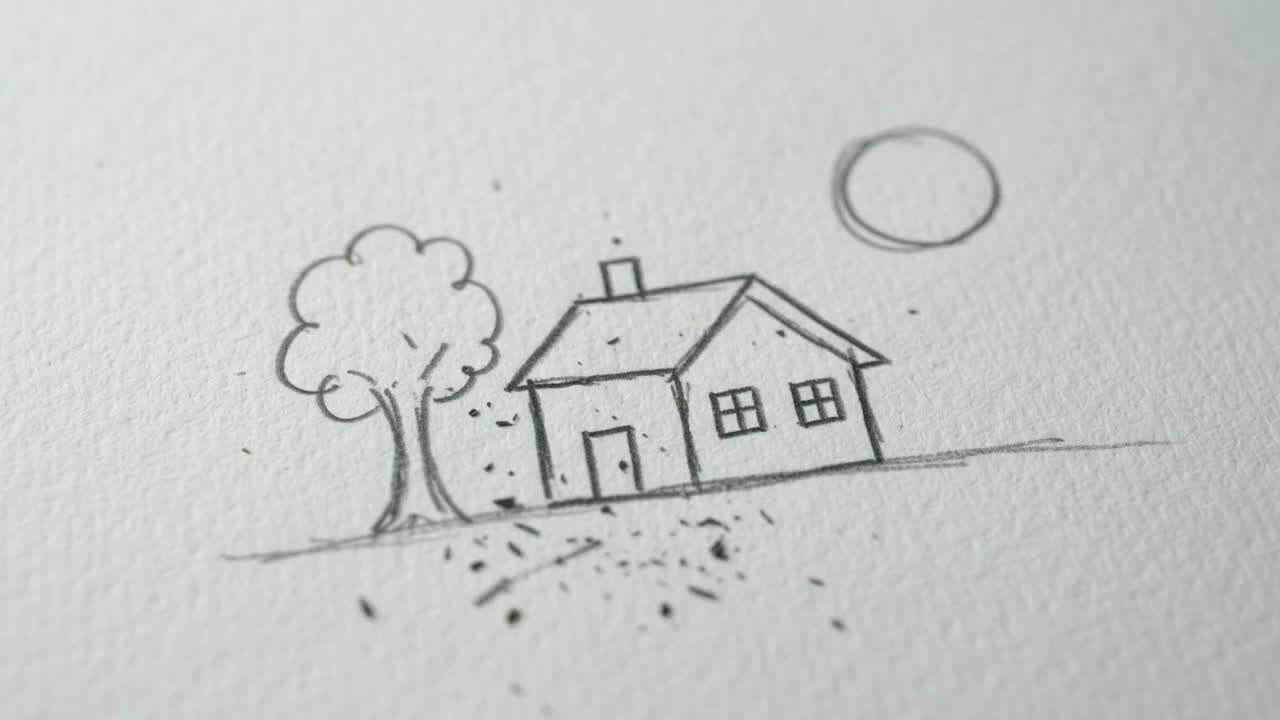
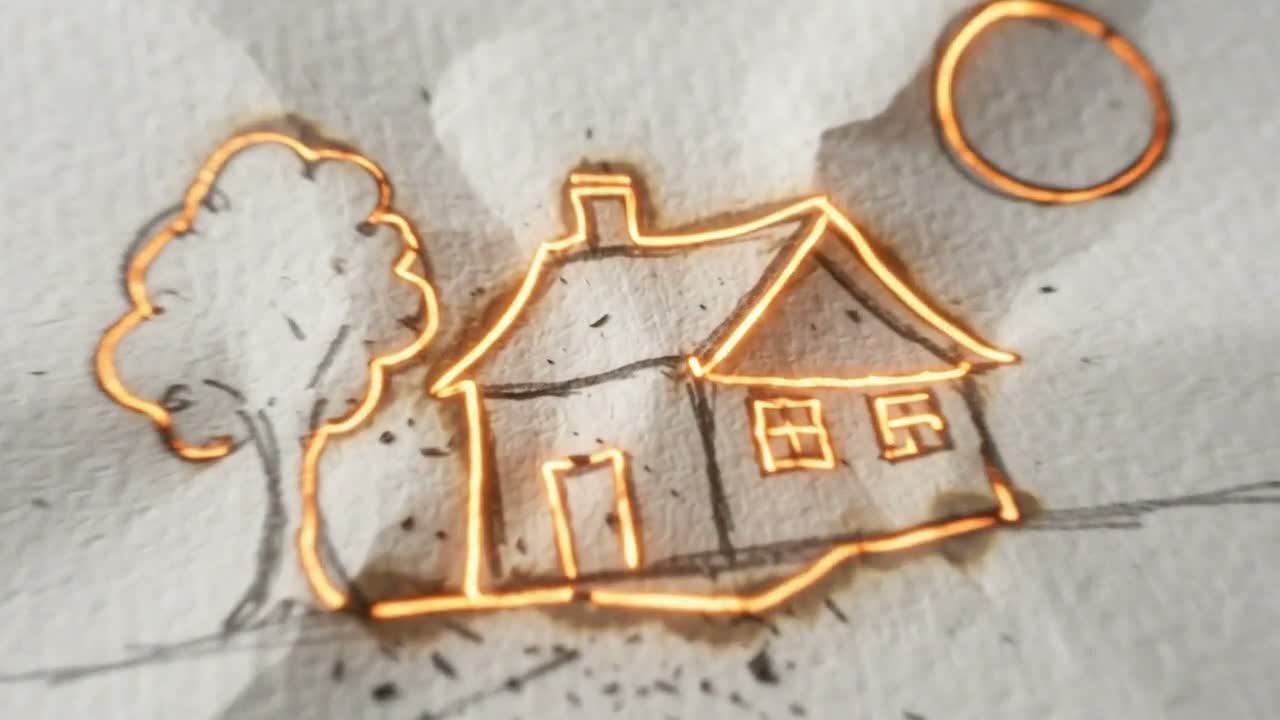
The idea was an image that opens: a pencil sketch on paper, the lines begin to glow, the paper bulges – and the camera flies through the drawing straight into the real scene. It sounds like visual effects, but with a text-to-video model it takes three takes. Here is how I built it – with the prompts, the timings and the places where it creaks.
The idea
A clip about AI video quickly fails by only proving that video exists. This idea shows the transition instead: from line to world – and back into the tool where both are made. It leans on what the model does well (camera, light, atmosphere) and avoids what it does badly (legible text, dialogue, hands).
The whole story sits in one movement: into the paper, through the world, back out onto the screen. Once you have that arc in your head, you stop writing scenes and start writing takes.
What the generator delivers
The video generator in tuomiAI Creative (Seedance) returns one clip of ten seconds per prompt, 1280 × 720, 24 frames per second. That sounds little, but it is the key constraint when storyboarding: every shot is one take, and one take holds exactly one camera move.
Generation takes about half a minute per clip – measured: 37, 33 and 37 seconds. So you can pull variants in one go instead of just waiting.
The storyboard
| Seconds | Image | Camera | Job |
|---|---|---|---|
| 0–10 | Sketch on paper | macro, push-in through the paper | the transition |
| 10–20 | Lake scene with cabin | slow move to the right | the world |
| 20–29 | Editing interface | slow pull-back | the way back |
The three takes feel different in length but are identical in format. That is the trick: you write for ten seconds and cut to the pace the story needs.
The prompts
“Macro shot of a pencil sketch on white paper: a small house with a pitched roof, a tree, a sun. The pencil lines begin to glow warmly, the paper bulges inward, the camera flies through the drawing straight into the scene: a photorealistic lakeside cabin in morning fog, warm light in the windows, autumn trees, jetty with a boat.”
Three things are in the prompt: the motif (sketch), the transition (glow, bulge, fly through) and the destination (the lake scene). The model used the circle of the sun as a portal – an interpretation of its own that is better than my plan.
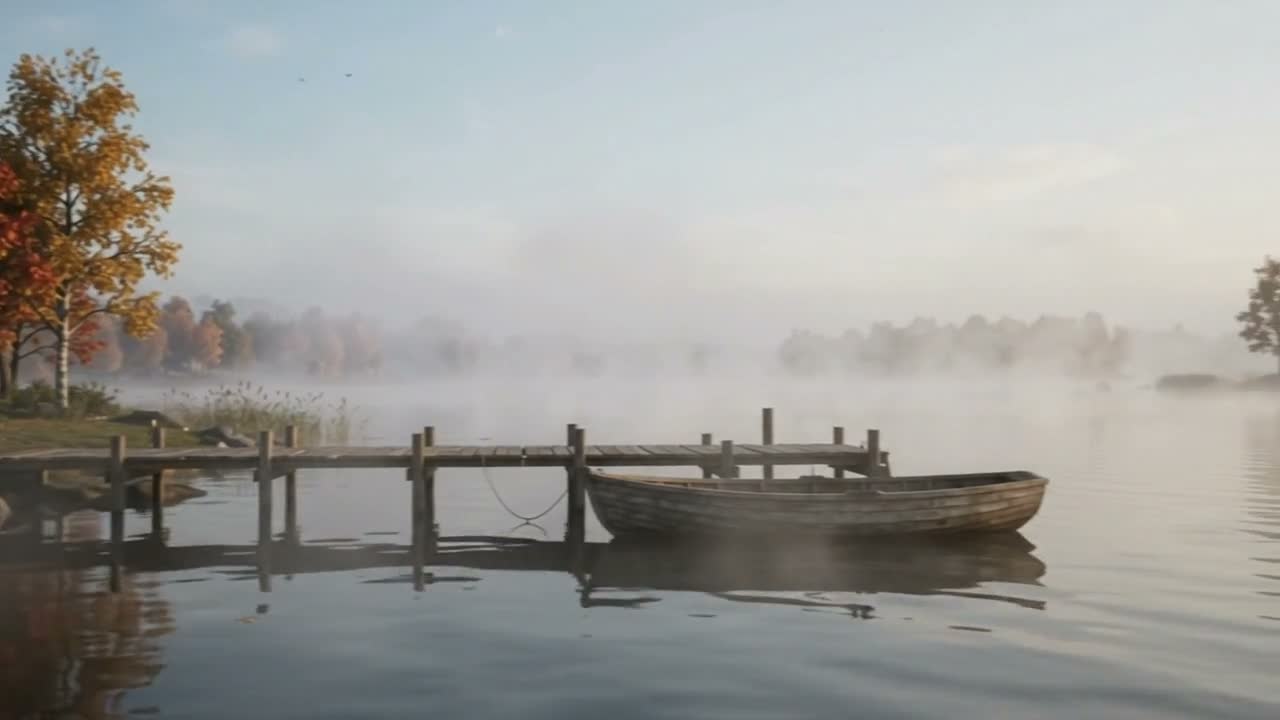
“Photorealistic lake scene in morning fog: a small wooden cabin on the shore, warm light in the windows, autumn trees in red and gold, a wooden jetty with a rowing boat, fog over the water. Slow, calm camera move to the right, cinematic, 24 fps.”
Continuity matters here: the same elements as in the sketch – house, jetty, boat, autumn trees – but as a photograph. The camera makes a single move, to the right; a second movement in the same prompt would break the calm flow.
“The camera slowly pulls back: the lake scene becomes an image inside a video window on a dark screen, below it a simple timeline with blue clips, a mouse pointer moves and clicks play. Cool dark blue interface, tidy design, no legible text, cinematic.”
On screen: the camera pulls back, the landscape shrinks into a preview window, a timeline with blue clips appears below, the pointer moves to the play button. The interface stays dark blue and calm.
Conclusion
Ten seconds per clip is not a limit but a grammar: you do not write a script with scenes, you write a storyboard with takes – and the film happens in the edit. That work remains: the idea, the order, the transition. The rest is a prompt and thirty seconds of waiting.
Transparency: all three clips were generated in the demo account of tuomiAI Creative with Seedance (10 s, 1280 × 720, 24 fps). The prompts appear unchanged in the article. The interface in the third take is an invention of the model, not tuomiAI Creative.